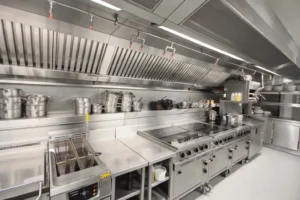
If you run a restaurant, café, hotel or takeaway in New Zealand, your kitchen extract system works harder than almost any other part of your building. It pulls smoke, steam and grease-laden air out of your kitchen all day. Over time, that grease settles inside your hood, filters, ductwork and fan.
So how often should commercial kitchen exhaust be cleaned in NZ? For most commercial kitchens, every 3 to 6 months is the general rule. High-volume kitchens may need cleaning as often as monthly, while very light-use kitchens may stretch to every 6 to 12 months. The right schedule depends on what you cook, how much, and how long you cook each day.
This guide explains what drives that schedule, the risks of leaving it too long, and how to know when your system needs attention.
Why Kitchen Exhaust Cleaning Matters
Grease is flammable. When it builds up inside ducts, one spark or flare-up from a grill or fryer can ignite it. Because the fire is hidden inside the ductwork, it can spread through a building quickly and be hard to reach.
Regular kitchen extract cleaning also:
- Reduces fire risk by removing the fuel that feeds duct fires
- Improves airflow so your kitchen stays cooler and smoke-free
- Protects your fan and motor from strain and early failure
- Supports compliance with fire safety, health and insurance requirements
- Improves air quality for staff and customers
- Lowers running costs, since a clogged system uses more energy
Recommended Cleaning Frequency by Kitchen Type
There is no single number that fits every kitchen. The table below shows common industry guidance. Your insurer, building manager or local council may set stricter requirements, so always confirm your obligations.
| Type of kitchen | Typical cleaning frequency |
|---|---|
| Heavy use: 24-hour operations, deep frying, charcoal or wood-fired grills, woks | Every 1 to 3 months |
| Moderate use: busy restaurants, hotels, pubs, commercial cafés | Every 3 to 6 months |
| Light use: small cafés, canteens, low-volume kitchens | Every 6 to 12 months |
| Seasonal or occasional use: clubs, camps, function venues | Once or twice a year |
The main factors that change your schedule are:
1. Type of cooking. Fried, grilled and charbroiled food produces far more grease than steaming or baking.
2. Cooking volume and hours. A kitchen running 12 hours a day, seven days a week, collects grease much faster than one open for lunch only.
3. Fuel type. Solid fuel cooking, such as wood or charcoal, creates heavier residue and needs more frequent attention.
4. Filter maintenance. Well-maintained filters catch more grease before it reaches the ducts. Regular filter cleaning can extend the time between full system cleans.
5. System design. Long duct runs, multiple bends and rooftop fans give grease more places to collect.
What Does a Full Kitchen Extract Clean Include?
A proper clean covers the whole system, not only the parts you can see. A thorough service should include:
- Hood and canopy cleaning: removing grease from surfaces and filters
- Ductwork cleaning: clearing grease deposits along the full duct run, including risers
- Fan and motor cleaning: removing buildup that reduces airflow and strains the motor
- Before and after photos: so you have a record of the work for your files and insurer
Wiping down the hood alone does not remove the grease inside your ducts. That hidden buildup is where the real fire risk sits.
Warning Signs Your Kitchen Exhaust Needs Cleaning Now
Don’t wait for your next scheduled clean if you notice any of these:
- Visible grease dripping from the hood, filters or duct access panels
- Lingering smoke or cooking odours that don’t clear as they used to
- A noisy or struggling fan, or one that vibrates
- Poor suction at the hood, with smoke drifting into the kitchen
- A hot, stuffy kitchen even with the system on
- Grease on the roof around the exhaust fan outlet
- Failed inspections or comments from your insurer or fire safety contractor
The Risks of Skipping or Delaying Cleaning
Putting off kitchen extract cleaning can be expensive:
- Fire: the most serious risk. Duct fires can cause severe damage and business closure.
- Insurance problems: claims can be affected if poor maintenance contributed to a fire. Check your policy.
- Breakdowns: a fan running against a grease-clogged system wears out sooner.
- Health and hygiene issues: grease attracts pests and can lead to failed health inspections.
- Uncomfortable workplace: heat, smoke and odours affect staff comfort and morale.
The cost of regular cleaning is small compared with the cost of a fire, a fan replacement or a forced closure.
Tips to Keep Your System Cleaner Between Services
- Clean or swap filters on a regular schedule, weekly or more often for heavy cooking
- Wipe down hood surfaces during your normal end-of-day clean
- Keep a cleaning log with dates, service reports and photos
- Book your next clean before the current one is due, so you never slip past the deadline
- Ask your contractor to inspect access points so every section of duct can actually be reached
Choosing a Kitchen Extract Cleaning Company in NZ
Look for a contractor that:
- Cleans the entire system, from hood to fan, not just the visible parts
- Provides before and after photos and a service report
- Is licensed and insured
- Has trained technicians with commercial experience
- Offers nationwide service if you have multiple sites
- Can handle emergency call-outs
At Air Restore, we provide kitchen extract cleaning across New Zealand, including Auckland, Wellington, Christchurch, Hamilton, Tauranga, Dunedin, Queenstown and more. Our team cleans hoods, canopies, risers, ductwork, fans and motors, and we help commercial kitchens stay safe and compliant.
Frequently Asked Questions
How often should commercial kitchen exhaust be cleaned in NZ?
Most commercial kitchens need cleaning every 3 to 6 months. Heavy-use kitchens may need monthly or quarterly cleaning, while light-use kitchens may only need it once or twice a year.
What happens if I don’t clean my kitchen extract system?
Grease builds up in the hood, ducts and fan. This increases the risk of fire, reduces airflow, strains the motor and can cause problems with insurers and inspectors.
Is kitchen extract cleaning a legal requirement in NZ?
Kitchen operators are expected to maintain safe premises, and insurers, landlords and fire safety requirements often set cleaning expectations. Check your policy, lease and building requirements, or ask your cleaning contractor for guidance.
How long does kitchen extract cleaning take?
It depends on system size and complexity. A small system can take a few hours, while a large multi-level system with long duct runs may take longer or need an overnight visit.
Can kitchen extract cleaning be done while my restaurant is open?
Most cleaning is done after hours or when the kitchen is closed, so it doesn’t interrupt service. Talk to your contractor about scheduling around your trading hours.
Do I need to clean the ducts, or just the hood and filters?
You need both. Hoods and filters are the visible part, but grease also collects deep in the ductwork and fan, which is where fires often start.
How much does kitchen extract cleaning cost in NZ?
Pricing depends on system size, duct length, access and how heavily the kitchen is used. The best way to get an accurate price is to request a quote.
Do you offer emergency kitchen extract cleaning?
Yes. Air Restore provides emergency services for urgent situations such as system problems or critical cleaning needs.
Book Your Kitchen Extract Cleaning
Not sure when your system was last cleaned? Contact Air Restore for a quote and a schedule that suits your kitchen. Call us or fill out our enquiry form today to keep your kitchen safe, efficient and compliant.